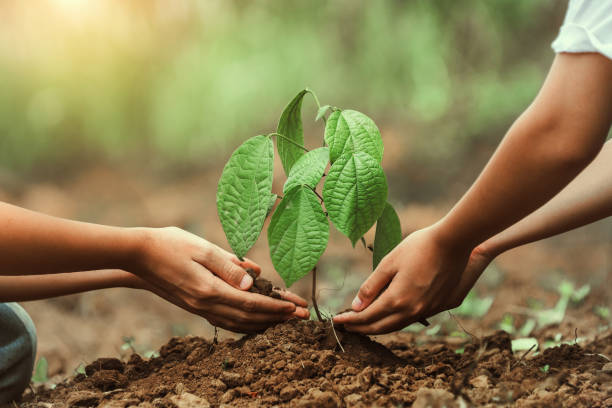
Tree Planting in Pittsburgh PA plays a crucial role in improving environmental quality, enhancing urban landscapes, and promoting sustainability. Trees are essential components of ecosystems, offering numerous ecological, social, and economic advantages. From purifying the air to providing habitat for wildlife, tree planting contributes significantly to the environment. Understanding the benefits of planting trees can encourage communities to take an active role in fostering a greener future.
One of the most significant benefits of tree planting is its ability to improve air quality. Trees absorb carbon dioxide, releasing oxygen while filtering pollutants such as nitrogen oxides and sulfur dioxide from the atmosphere. This process helps to reduce the presence of harmful airborne particles, making the air cleaner and healthier for residents. In urban areas like Pittsburgh, tree planting initiatives help mitigate air pollution and create a more livable environment.
Urban areas often experience higher temperatures due to concrete, asphalt, and other heat-absorbing materials. This phenomenon, known as the urban heat island effect, can make cities much warmer than surrounding rural areas. Trees provide natural shade, reducing temperatures by blocking sunlight and releasing moisture through transpiration. Increased tree planting efforts in Pittsburgh PA can significantly lower heat levels, making outdoor spaces more comfortable.
Tree roots stabilize soil by holding it in place, reducing the risk of erosion caused by wind and water. In areas prone to heavy rainfall or steep landscapes, trees act as natural barriers, preventing soil from being washed away. This benefit is particularly important for maintaining the structural integrity of land and protecting water bodies from excessive sedimentation. Through strategic tree planting, communities can preserve valuable topsoil and maintain fertile land.
Tree planting in Pittsburgh PA plays a role in managing water resources effectively. Trees help reduce stormwater runoff by absorbing rainfall and minimizing flooding risks. Their root systems act as natural filters, trapping pollutants before they reach water sources such as rivers and lakes. This process improves overall water quality, ensuring cleaner and safer water for both human and wildlife consumption.
Trees provide shelter, food, and nesting sites for a variety of wildlife species. Birds, squirrels, and insects rely on trees for their survival, making tree planting essential for maintaining biodiversity. In urban settings, trees create green corridors that connect different habitats, allowing wildlife to thrive. Protecting and expanding tree cover in Pittsburgh helps preserve local ecosystems and ensures that native species have a place to flourish.
Tree planting plays a critical role in reducing the carbon footprint of individuals and communities. Trees act as carbon sinks, absorbing large amounts of carbon dioxide from the atmosphere and mitigating the effects of climate change. By integrating Tree Service efforts with environmental initiatives, cities can work toward reducing greenhouse gas emissions and promoting a more sustainable future.
The presence of trees and green spaces has been linked to numerous health benefits. Spending time in tree-filled areas has been shown to reduce stress, enhance mood, and improve overall mental well-being. Additionally, trees encourage outdoor activities such as walking, jogging, and cycling, promoting physical health. In Pittsburgh, increased tree planting efforts can enhance public parks, making them more inviting and beneficial for residents.
Neighborhoods with abundant trees tend to have higher property values and a greater sense of community appeal. Well-maintained tree-lined streets and parks attract potential homeowners and businesses, contributing to economic growth. Tree planting in Pittsburgh PA enhances curb appeal, making the city more aesthetically pleasing and desirable for both residents and visitors.
Strategically planted trees near homes and buildings can significantly reduce energy consumption. By offering shade during hot summer months, trees lower the need for air conditioning, resulting in reduced electricity costs. Additionally, trees serve as windbreaks in winter, helping to conserve indoor heat. Investing in tree planting and proper tree trimming can enhance energy efficiency while promoting environmental sustainability.
Regular tree planting and maintenance reduce the need for frequent tree removal. When trees are properly cared for through pruning, trimming, and disease prevention, they remain strong and healthy for decades. Tree service professionals play an essential role in ensuring that newly planted trees receive the necessary care to thrive. By focusing on proactive tree planting and upkeep, Pittsburgh can preserve its green spaces and limit unnecessary tree removal.
The benefits of Best Tree Planting in Pittsburgh PA extend far beyond aesthetics. Trees improve air and water quality, provide habitat for wildlife, prevent soil erosion, and contribute to energy conservation. They play a crucial role in reducing the carbon footprint and enhancing the overall well-being of communities. By prioritizing tree planting efforts and ensuring proper tree service, Pittsburgh residents can create a healthier, greener environment for future generations.